A preview of some interesting facts you will find through this pathfinder: - While children were the main targets for this voluntary governmental project, mothers with infants, teachers, and the handicapped also benefited from this program.
-According to Jackson, England was split into three sectors of risk: evacuation, neutral, and reception. The evacuation cities were categorized by their high probability of being bombed, mainly urban and industrial cities like London. Neutral areas would neither take, nor send refugees. Reception areas were to receive evacuees and were considered the safest places in the country.
-The first wave of mass evacuations that occurred between September 1st- 3rd, 1939 was nicknamed Operation Pied Piper. -According to Titmuss, 1.473 million children, mothers, teachers, and handicapped persons from urban British cities were evacuated within 3 days with the assistance of the British government without any incidence of accident, injury, or death. Over 3 million people were evacuated throughout the duration of the war. -Michael Caine, Elizabeth Taylor, and Shirley Williams were among the children who were evacuated as part of Operation Pied Piper.
- A national monument dedicated to the evacuees is being constructed outside of St. Paul's Cathedral.
Evacuees: Evacuation in Wartime Britain 1939-1945 By: Michael Brown Published in 2000 Topics: Data studies, Statistics, Comprehensive coverage of evacuation This book provides a detailed history of the evacuation of British children in WWII. Beginning with the origins and background history of the plan that was put into action in September of 1939, Brown follows a chronological order of the evacuations that occurred in Britain throughout the war. Brown details the government’s plans and what events actually occurred from an objective perspective. Included in this book are official government plans and statistics, personal stories, and a comprehensive examination of the evacuations that occurred throughout England.
We Can Take It!: Britain and the Memory of the Second World War By: Mark Connelly Published in 2004
Topics: Morale, Government Planning
While this book contains overall information about WWII in England, it also has a section dedicated to the evacuation. It provides a personal glance at the British people’s will to survive, and morale throughout the war. The evacuation of the children was about the preservation of people and doing whatever was necessary to survive. This book allows the researcher to delve into the determined perspective of the common citizen and gain insight into Britain’s cultural values of freedom.
The Impact of Civilian Evacuation in the Second World War
By: Travis L. Crosby
Published in 1986
Topics- Comprehensive overview of Evacuation, Post-War impact
Crosby follows the evolution of the evacuation policy and how it was put into place during the war. It also describes the aftermath of post-war England and how the evacuations affected the country. Included in this are the ways that the English people changed due to the war and evacuations, and how it affects them to this day. This source provides an objective overview of the evacuation process, and their impact on Britain's educational system, family life, and culture. They Tied a Label on my Coat By: Hilda Hollingsworth Published in 1991 Topics: Primary source, Domestic evacuation experience This is the true story of the author's experience as an evacuee in Britain. Hilda was moved around from place to place with her sister during the six years of the war and how it affected them later in life. This book was intended for young adults and above, and depicts the instability of evacuation life.
The Children's War: Evacuation 1939-1945 By:Ruth Inglis Published in 1989
Topics- Secondary sources, Domestic and international evacuations This book focuses mainly on the first wave of evacuation of 1.5 million children and mothers of infants. The included evacuation sites are not only the English countryside, but also those who were moved to America and Australia. Also described were the methods the children were distributed to the foster homes. This source provides a look at both the negative and positive aspects of the evacuation, and is filled with anecdotes of life as an evacuee. Who Will Take Our Children?: The Story of the Evacuation in Britain 1939-45 By: Carlton Jackson Published in 1985 Topics- Planning, Impact of evacuation
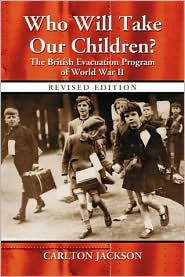
This book describes the children's evacuation both domestically and internationally. The book includes the logistics, and planning of the evacuation as well as firsthand evacuation stories. Jackson ties in the way that the evacuation eventually led to National Health Service. Jackson's book provides vital information and illustrates the ways the evacuations have changed Britain. Out of Harm's Way: The Wartime Evacuation of Children from Britain By: Jessica Mann
Published in 2005 Topics- Primary Source, International Evacuation
Mann describes her and other evacuees' experiences, including the dangerous journeys crossing battling waters and life abroad. She details how they coped with living away from home and how they viewed life back in the U.K. once they returned. The author also interviewed some celebrity evacuees, including Elizabeth Taylor and Shirley Williams. This book goes into great detail about the international evacuation experience, following the stories of children from the U.K. as they were relocated to Australia, New Zealand, Canada, South Africa, and America. Children of the Doomed Voyage By: Janet Menzies Published in 2005
Topics: International evacuations, First-hand accounts, Logistics During World War II there were many attempts made to evacuate children out of Great Britain. The greatest disaster involving British children during an evacuation overseas happened on the SS City of Benares evacuee ship. Children of the Doomed Voyage is a book of first-hand accounts from survivors of the infamous ship.
Evacuation By: Fiona Reynoldson Published in 1990
Topics- Phases of Evacuation, Life as Evacuees
One volume of a World War II series, this book looks at the good as well as the bad of the evacuation. It also describes the plan of the evacuation as well as what it was like to live in the reception areas. The author goes into the different phases of the evacuation program that occurred between 1939 and 1946. Problems with Social Policy By: Richard M. Titmuss
Published in 1950
Topics: Comprehensive coverage of evacuation, planning
Richard M. Titmuss was a professor at the London School of Economics. Problems with Social Policy is a collection of lectures that Titmuss gave to his classes about the history of the Second World War. Throughout the lectures, Titmuss covers many topics , including: preparations for the evacuation and the different phases that the evacuations took place in. To see excerpts from Problems of Social Policy click here-
During World War II the British government evacuated hundreds of thousands of children from London to the countryside, US, and Canada to escape German bombs. In No Time to Wave Goodbye, Wicks interviews children that were evacuated out of London and how the evacuation still impacts their lives today. Wicks also provides his own personal insight for the book since he too was one of the evacuated children.
The Day They Took the Children By: Ben Wicks
Published in 1990 Topics- Primary sources, Photographs, Interviews with evacuees
This book is a compilation of first hand experiences, including letters, 200 photographs and personal mementos. The stories are diverse, some funny and some sad, illustrating the differences in the situation. Due to the reaction to his first book, No Time To Wave Goodbye, the author decided to follow up with a second book: The Day They Took The Children, which details the various situations of children evacuated with Operation Pied Piper.
The Emergency Evacuation of Cities By: Wilbur Zelinsky and Leszek A. Kosiniski Published in 1991
Topics: Evacuation Waves, Government Planning, Statistics, Maps
The Emergency Evacuation of Cities deals with the evacuation of cities due to differing disasters. The disasters range from floods and storms to industrial accidents and wars. The non-technical writing style and use of tables, maps, and diagrams makes this book easily accessible for those interested in the evacuation of a city during war time. This source shows the movement of evacuees throughout the war, and the complications that came with planning a government-organized exodus of a population.
The Chronicles of Narnia: The Lion, the Witch, and the Wardrobe Author: C.S. Lewis Director: Andrew Adamson Movie released in 2005
Topics- Evacuee life, Fantasy portrayal of evacuees
Stories such as The Lion, the Witch, and the Wardrobe are framed around the story of British children evacuated in World War II, often incorporate themes of bravery and triumph over an evil, dark force. In The Lion, the Witch, and the Wardrobe, the Pevensie children are evacuated to the countryside away from their parents and feel isolated, look inward towards their siblings for comfort. They create a fantasy world where their presence is integral to the survival of the people and land, portraying their desire to help England in their time of need. This movie is an illustrative example of child evacuees mindsets and experiences.
Orphans of The Storm Producers: Gill Barnes and Rex Cowan Documentary VHS released in 1989
Topics- International Evacuation, International Government planning, Primary sources- Interviews, Cultural impact
Orphans of The Storm is a portrait of America in 1940 through the eyes of the British children who came and the American families who made room for them. The film explores the remarkable collective experience that changed lives and attitudes on both sides of the Atlantic. It details the governmental struggles with logistics, housing, and immigration laws in both America and Britain. This source has both footage from the past and modern day, and includes interviews from former evacuees, host families, and government officials. People's Century: Total War 1939-1947 Director: John Bridcut Released in 2006 Television series episode- Documentary Topics- Differences in evacuees' lives vs. non-evacuees This is one part of a television series created in collaboration with the BBC that chronicles what happened to the children that were not evacuated from England during World War II. Many went to work in factories only to become targets for attacks by the enemy. People’s Century: Total War 1939-1947, utilizes archival footage to illuminate events in the children’s lives during the War. This source can be used to show the juxtaposition of experiences during WWII between children who were evacuated and those who were not.
Back Home By: Michelle Magorian Published in 1984 Fiction
Topics- Impact of evacuations in post-war England, International evacuation experience, Social/cultural impact of evacuations
This fictional book portrays an evacuee who has spent five years growing up in America and now must return to England at the end of the war. She struggles to re-adjust to life in England with a family and country she has very little memory and fondness for. This shows the grittiness of the cultural and social issues that plagued many of the evacuated children and families that no one foresaw. It also looks at the changing population and mentality of the English post-war, and how England was irrevocably altered by the evacuations and war.
The Sky is Falling By: Kit Pearson Published in 1995 Fiction Topics- International evacuation experience, Culture shock In the summer of 1940, two English children, ten year old Norah Sykes and her five year old brother Gavin are sent to live with a family in Canada to escape the danger of the World War II. Living as “guests of war,” Norah and Gavin face culture shock and homesickness as they try to become accustomed to their new Canadian life. This is a good source to show the stages and differences in the cultural adjustment between age groups.
The Atlantic Divide: Evacuated to America BBC- WW2 People's War
Topic- Biographical/ Personal Narrative, International Evacuation
http://www.bbc.co.uk/ww2peopleswar/stories/78/a2094978.shtml The BBC put together an archived collection of World War II memories that was written by the public. This is a personal narrative story about one child's experiences being evacuated overseas to America during World War II. She explains the emotional and physical journey of being sent overseas without her family. This story shows the firsthand struggles of the trip overseas through the eyes of a child, allowing the researcher to understand the emotions and mindset of an evacuated child. Evacuees in World War Two - The True Story BBC- British History in-depth
Topic- General Overview of Operation Pied Piper, personal perspective
A great website created with the BBC history to find a general overview of the evacuation process being put into action in September 1939. It focuses on the early days of the first evacuation with anecdotes and short memories from teachers, children, hosts, and logistical engineers. Coverage from the Daily Mirror shows the perspective from a news source of the day and how the evacuation was presented to the public. It also shows the unpleasant surprises many of the children faced, and how the evacuation was presented to the children. Culture Shock
This is a guide to overcoming culture shock for all ages. The site includes a list of symptoms of culture shock as well as a list of suggestions for overcoming and avoiding culture shock. This is useful in understanding why it was difficult for the inner city children and the country families to coexist.
This website gives a good overview on what types of bombs were being used against the British during World War II. Towards the bottom of the page, Simkin provides first-hand accounts from people who survived the war. Some are memories from children who were not evacuated but stayed behind and witnessed the bombs themselves. Children of the Doomed Voyage BBC- Timewatch Topics- First-hand accounts, International evacuation
Created by the BBC, Children of the Doomed Voyage chronicles the tragedy of the sinking of the evacuee ship, SS City of Benares. This website includes stories from children who survived the boat attack and also stories from German soldiers on the U-boat which sunk the SS City of Benares. The website also provides information about the last reunion that was held in 2005 for the surviving children. The Children’s War: The Second World War Through the Eyes of the Children of Britain Imperial War Museum London
The Children’s War is a website that is based off of an exhibit at the Imperial War Museum in London running through 2010. In case you cannot travel to London to see the exhibit, the Imperial War Museum provides an edited, online version. The website provides insight on what the lives of children were really like living through the war. Topics of interest included are evacuation, work, school, play, daily life, war time homes, and life after the war with plenty of accompanying pictures.
An in-depth, social and psychological examination about the effects of the children's evacuation from England. This article explores the mentality of the people in London as a result of the mass evacuation of children from the cities. The authors dissect the impact of the children leaving and the morale ramifications that occurred because of it. It also contains statistics and demographics of the evacuees and comparisons to evacuation situations in other European countries during the war. Learn about the obstacles the host families and parents encountered as they were separated from their children and raising someone else’s children.
"Britain's Experience with Adolescents"
Journal- Annals of the American Academy of Political and Social Science
By: Eleanor Boll
Published 1944
Topic: Problems with Evacuation- Social/Psychological problems
This article contains information pertaining to the demographics of the evacuees and how the program was catered to young children. It assesses the problems that many adolescents, between the ages of 13-17, faced both at home and those who were evacuated. Included in this article are government mandates and programs designed for those who were not evacuated. It also focuses on the psychological impact of the adolescences as a result of being taken away from their family and comfort zone for a long period of time.
"Evacuation Problems in Britain"
Journal- Transactions of the Kansas Academy of Science
By: Phillip H. Cook
Published 1941
Topic: Problems with Evacuation
Taking a pessimistic view at the first evacuation wave to leave London and head to the countryside or overseas, Cook focuses on the issues that were plaguing the evacuees, families, and hosts. This article provides a commentary on flaws in the evacuation, including that it was created by “minds that are military, male, and middle class.” It provides an interesting perspective because this article was written while the evacuations were still occurring. Take a look at his predictions about the fate of the evacuees and compare it with others to see if they came true.
"Mental Health of Children and Families in Wartime"
Journal- Review of Educational Research By: Arthur T. Jersild
Published 1943
Topics: Psychological Health of Children
In this article, Jersild discusses the many factors that influence a child's reaction during wartime events. Evidence shows that the response to bombing and the threat of bombing has caused fear and depression in children. This article also explains how children with a history of emotional disturbance tend to show a higher rate of unsatisfactory adjustment to wartime evacuations.
"British Evacuees in America during World War II"
Journal- Journal of American Culture
By: Keith A. Parker
Published 1994
Topics: Planning, International Evacuation
In the summer of 1940 a group of socially concerned people set up the United States Committee for the Care of European Children to arrange for the temporary care of evacuated children out of the war zone. In his article, Parker discusses the responsibilities the committee had with bringing the children in and finding them foster homes. Initially preparing for thousands of British children, the article discusses how the impact of the sinking of the SS City of Benares halted the program and the committee’s operations.
"Children's Experiences of War: Handicapped Children in England During The Second World War"
Journal- 20th Century British History
By: Sue Wheatcroft
Published 2008
Topic: Comprehensive, Physically handicapped children
The experiences of children in World War II have attracted attention in both the scholarly and popular worlds, but not all children have received equal attention. Details about the experiences and evacuation of handicapped children have been left out of all types of literature about World War II. In this article, Wheatcroft discusses the plans that were made for their evacuation, how they were carried out, and compares their lives with the handicapped children that were not evacuated. The article also compares the experiences of handicapped children with those of their non-handicapped counterparts.
 A preview of some interesting facts you will find through this pathfinder:
 -The first wave of mass evacuations that occurred between September 1st- 3rd, 1939 was nicknamed Operation Pied Piper.